
What Your Dog's Body Language Is Trying to Tell You
Decoding the subtle signals your dog sends every day — and why understanding them makes you a better pet parent.
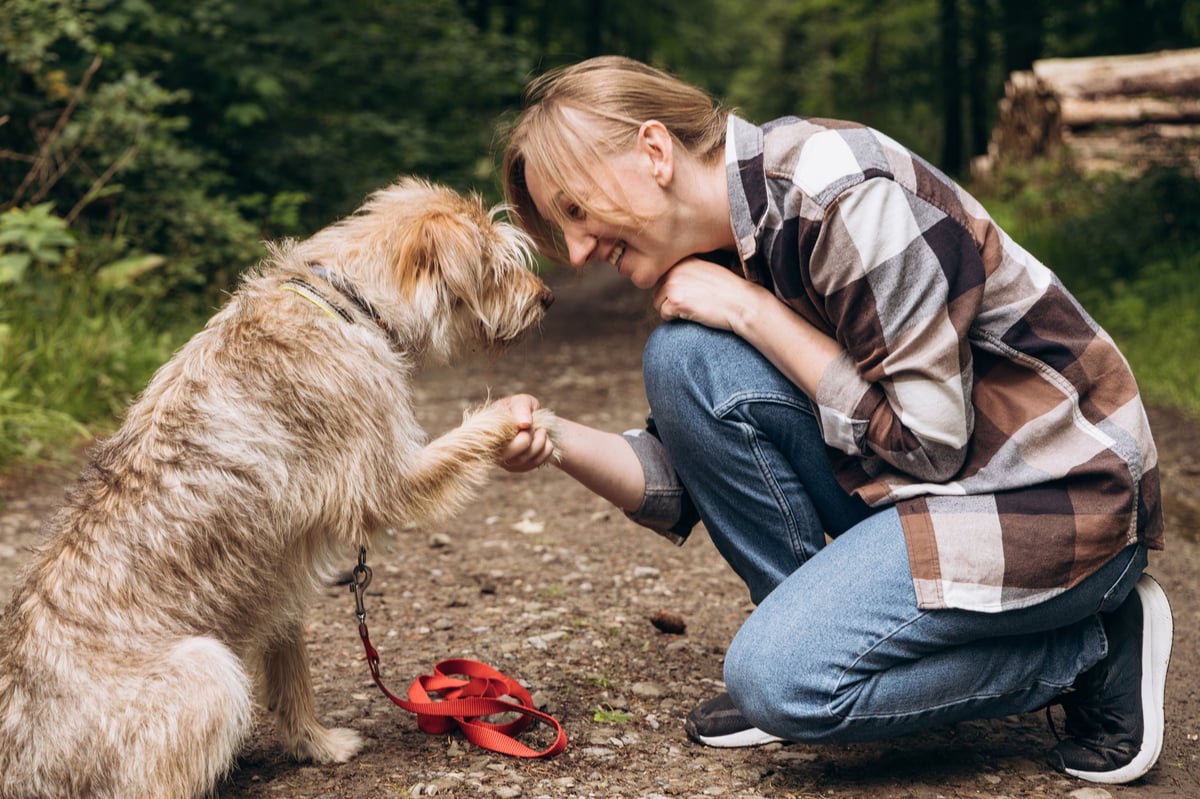
Dogs speak to us constantly — just not with words. Every tail wag, ear position, and yawn carries meaning. Learning to read your dog's body language is one of the most valuable skills you can develop as a pet parent. It helps you understand when your dog is happy, stressed, scared, or uncomfortable — often before a situation escalates.
The Tail: More Than Just Happy or Sad
A wagging tail doesn't always mean a happy dog. The position, speed, and direction of the wag all matter. A high, stiff, fast wag can signal arousal or agitation — not friendliness. A low, slow, wide wag is usually a relaxed, happy greeting. A tail tucked between the legs signals fear or submission.
Research even shows that tail wag direction matters: dogs tend to wag slightly to the right when they see someone they like, and slightly to the left when they're unsure. It's subtle, but the pattern holds across breeds.
Ears: The Mood Barometer
Ears forward = alert and interested. Ears flattened back against the head = fear, anxiety, or submission. One ear up, one ear down? Your dog is unsure and processing. Pay attention to ear position in context — flattened ears during a greeting may mean your dog is nervous about the interaction.
The Eyes: Soft vs. Hard Stare
Soft, relaxed eyes with normal blinking = a calm, comfortable dog. A hard, unblinking stare = a threat or intense focus (not the good kind). Whale eye — when you can see the whites of your dog's eyes, usually because they're looking away but tracking something — is a clear stress signal. If you see whale eye during a hug, a photo session, or an interaction with another dog, give your dog space.
Yawning, Lip Licking & Shaking Off
These are called "calming signals" or displacement behaviors. A yawn when your dog isn't tired, a lip lick when there's no food around, or a full-body shake when they're not wet — these are signs your dog is trying to self-soothe in a stressful situation. You might see these at the vet, during a tense interaction with another dog, or when you're scolding them.
If you notice these signals, pause and assess the environment. Is something making your dog uncomfortable? Can you create more distance or a quieter space?
The Play Bow: An Invitation
Front legs down, rear end up, tail wagging — this is the universal dog invitation to play. It's one of the clearest signals dogs give, and it's almost always positive. Dogs use the play bow to say "everything that follows is just for fun" — even rough play that might look aggressive is framed by the play bow as friendly.
Putting It All Together
No single signal tells the whole story. A tail wag + relaxed ears + soft eyes = happy. A tail wag + stiff body + hard stare = be careful. Context matters — learn to read the full picture. Over time, you'll become fluent in your dog's unspoken language, and your bond will be stronger for it.
The best part? Your dog is already paying attention to your body language. They know when you're stressed, happy, or about to grab the leash. Returning the favor is one of the kindest things you can do for them.
Want help with your dog's behavior? Our team works with dogs of all temperaments — from shy seniors to reactive pups. Reach out and we'll match you with a sitter who understands your dog's unique communication style.
Book a Visit