
Separation Anxiety: Signs, Causes & What Actually Helps
Post-pandemic separation anxiety is real. Learn the difference between boredom and true anxiety, plus practical strategies that work.
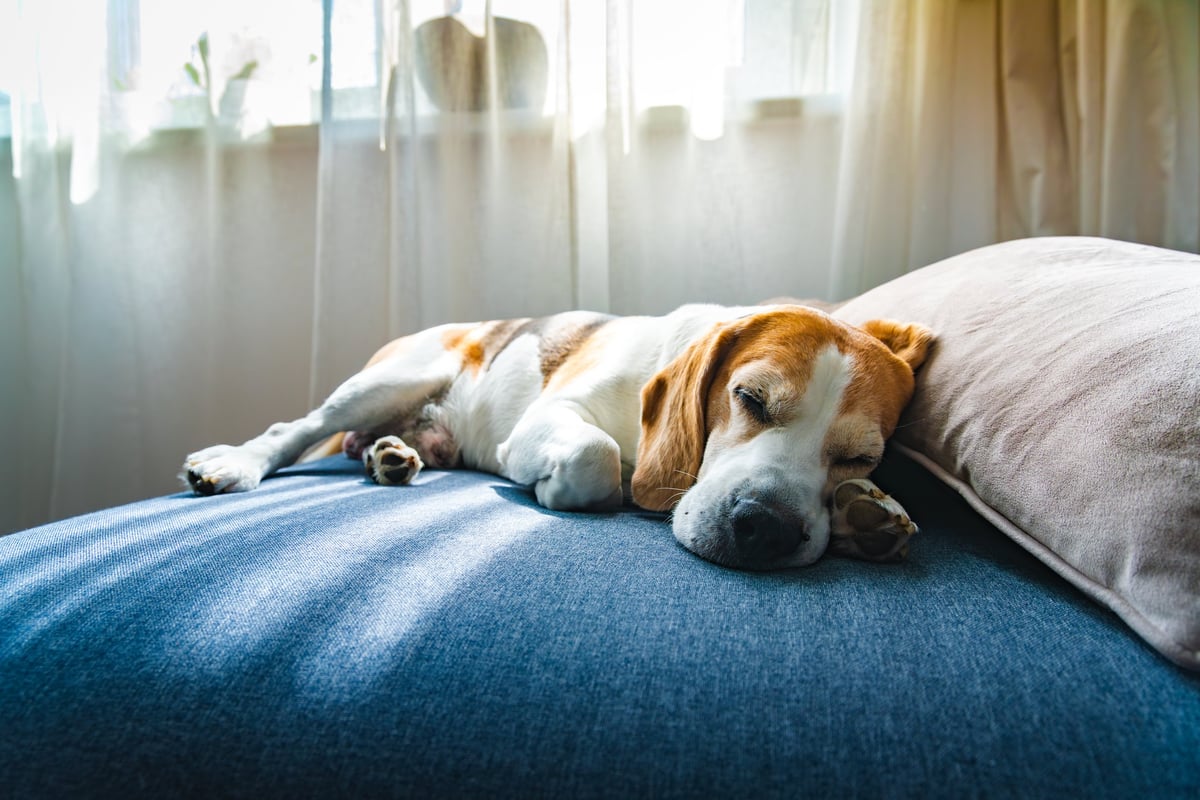
If your dog howls, destroys furniture, or has accidents every time you leave the house, it's not spite — it's panic. Separation anxiety affects an estimated 20-40% of dogs, and pandemic-era adoptions have made it more common than ever. Here's what you need to know.
Boredom vs. Anxiety: Know the Difference
A bored dog chews your shoes casually over the course of the day. A dog with separation anxiety destroys the door frame in the first 10 minutes after you leave — often hurting themselves in the process. Boredom improves with more exercise and toys. Separation anxiety requires a structured behavior modification plan.
Signs of True Separation Anxiety
Look for these patterns: distress begins within minutes of your departure, destruction is focused on exit points (doors, windows), excessive drooling or panting, and attempts to escape. Video recording your dog while you're gone can help you understand what's really happening versus guessing.
What Actually Helps
Start with short departures — 30 seconds, then a minute, then five. Pair your departure cues (picking up keys, putting on shoes) with calm, neutral energy instead of emotional goodbyes. Provide a high-value distraction like a frozen Kong. Consider a professional dog walker or sitter to break up long absences. In severe cases, work with a veterinary behaviorist — medication can be a bridge to training, not a failure.
Worried about leaving your dog alone? Our sitters provide midday visits and companionship to ease separation anxiety while you're away.
Book a Sitter