
Pet First Aid Basics Every Owner Should Know
Know what to do before you need to. Essential first aid skills, what belongs in a pet first aid kit, and when to go straight to the emergency vet.
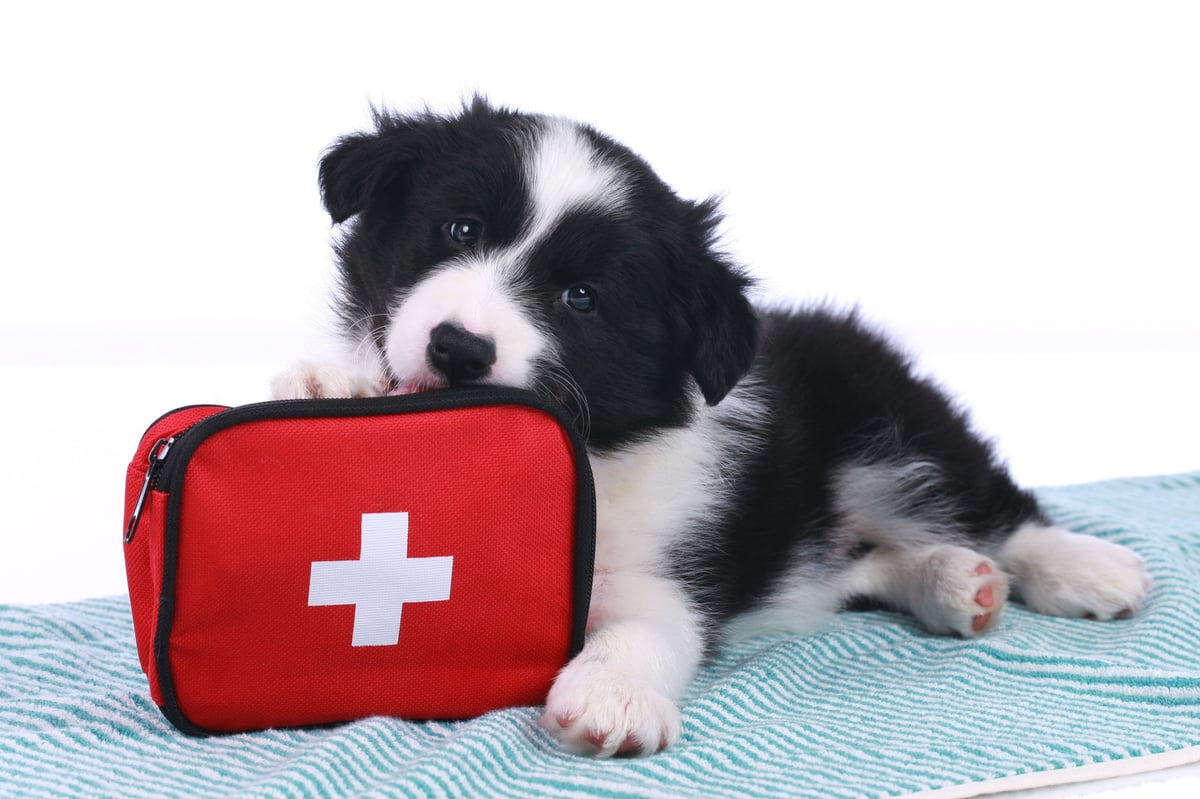
Emergencies don't wait for convenient times. Knowing basic pet first aid can make the difference between a scare and a tragedy. While nothing replaces professional veterinary care, being prepared helps you stay calm and act quickly when your pet needs you most.
Build a Pet First Aid Kit
Every pet home should have a first aid kit. Include: gauze pads and rolls, self-adhering bandage wrap (the kind that sticks to itself, not fur), blunt-tipped scissors, tweezers, digital thermometer, hydrogen peroxide (3%, for inducing vomiting — ONLY under vet guidance), saline solution, an emergency blanket, and your vet's phone number saved prominently. Store it where you can grab it in seconds.
Common Emergencies & What to Do
Cuts & bleeding: Apply firm, steady pressure with a clean cloth for at least 3-5 minutes. Don't keep lifting to check — that disrupts clotting. Choking: If your dog is conscious and can cough, let them try to dislodge it. If they can't breathe, learn the canine Heimlich maneuver from a vet or certified course before you ever need it. Heatstroke: Move to shade, offer small amounts of cool (not ice-cold) water, place cool wet towels on the belly and paw pads, and get to the vet immediately.
When to Go Straight to the Vet
Some situations demand urgent professional care — don't try to handle these at home: difficulty breathing, seizures, suspected poisoning, inability to urinate (especially in male cats), severe bleeding that won't stop, collapse or loss of consciousness, and any trauma like being hit by a car (internal injuries may not be visible).
Know Your Closest Emergency Vet
Find the nearest 24-hour emergency veterinary hospital now — not when you're panicking at 2 AM. Save the address and phone number in your contacts. Drive the route once so you're not navigating for the first time in an emergency. Preparation is the difference between freezing and acting.
Your pet's safety is our priority too. All our providers are trained to recognize signs of distress and will alert you immediately if anything seems off.
Book Trusted Care